Acton Town deep cleaning guide for Victorian terraces
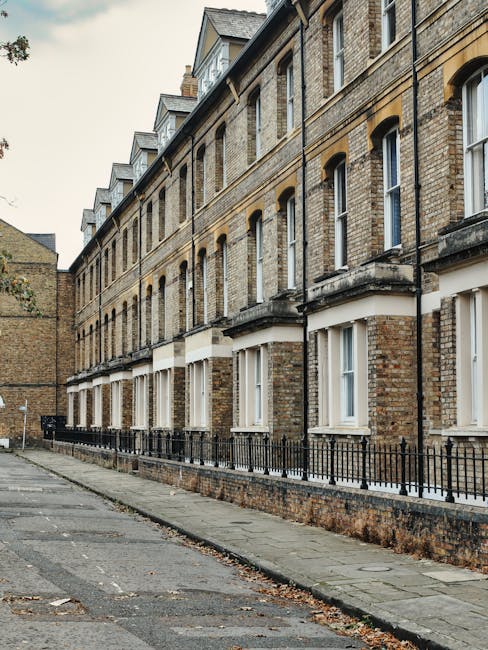
Victorian terraces in and around Acton Town have a charm that newer homes can't quite copy: tall ceilings, sash windows, original timber, old fireplaces, narrow hallways, and the odd stubborn draft that seems to carry dust from room to room. That character is lovely. It also means a deep clean can feel like a proper project rather than a quick Saturday tidy-up.
This Acton Town deep cleaning guide for Victorian terraces is built for real homes, real clutter, and the little surprises older properties throw at you. Maybe you're dealing with smoke residue near an open fireplace, years of dust behind heavy radiators, or grubby paintwork that makes the whole place feel tired. Whatever the starting point, the aim is the same: get the house genuinely clean without damaging what makes it special.
Below, you'll find a clear step-by-step approach, room-specific advice, a checklist, common mistakes to avoid, and a practical comparison of methods. If you want a broader overview of professional methods, the deep cleaning service page is a useful place to start, and for one-off resets after a long gap between cleans, one-off cleaning can be especially relevant. Let's get into it.
- Why deep cleaning Victorian terraces matters
- How the cleaning process works
- Key benefits and practical advantages
- Who this is for and when it makes sense
- Step-by-step guidance
- Expert tips for better results
- Common mistakes to avoid
- Tools, resources and recommendations
- Law, compliance, standards and best practice
- Options, methods and comparison table
- Case study or real-world example
- Practical checklist
- Conclusion
- Frequently asked questions
Why Acton Town deep cleaning guide for Victorian terraces Matters
Victorian terraces are not the same as modern flats or newly built houses. That sounds obvious, but it matters a lot when you start cleaning. Older plaster, painted woodwork, original floors, ornate details, and mixed-use repairs all respond differently to moisture, pressure, and chemicals. What works on a fairly new property can be too harsh here.
In Acton Town, many terraces have been lived in by several households over time. Dust settles in the awkward places: cornices, picture rails, behind skirting boards, inside sash tracks, and under heavy furniture that has not moved in years. Kitchens and bathrooms are often updated, but the older structure still holds onto grime, odours, and fine debris. You notice it most in the morning light, when a room suddenly looks a bit duller than you thought.
Deep cleaning matters because it is not just about appearance. It also helps:
- reduce dust build-up in rooms with older ventilation patterns
- restore neglected surfaces before damage becomes permanent
- prepare a home for sale, letting, or a family reset
- make day-to-day cleaning much easier afterwards
- spot issues such as leaks, mould patches, or worn sealant early
To be fair, many people wait until a Victorian terrace feels "not dirty, exactly, just heavy". That is usually the moment a proper deep clean pays off. The house starts breathing again, if that makes sense.
How Acton Town deep cleaning guide for Victorian terraces Works
Deep cleaning in a Victorian terrace is best treated as a sequence, not a single burst of effort. The order matters. If you scrub floors before dusting high-level ledges, you'll simply send dirt back down again. If you use the wrong cleaner on old wood, you can leave marks that are harder to reverse than the original mess.
A good process usually follows this logic:
- Declutter first. Remove items from floors, worktops, window sills, and mantelpieces so you can reach the surfaces properly.
- Dust from the top down. Start with ceilings, light fittings, cornices, shelves, and curtain poles before moving lower.
- Tackle hidden areas. Radiators, behind sofas, under beds, and along the back edges of stairs collect more grime than most people expect.
- Clean room by room. Focus on one space until it is finished rather than jumping around the house.
- Use the right method for each material. Painted timber, tile, stone, laminate, and upholstery all need different handling.
- Finish with floors and touchpoints. Once dust has settled, do the final vacuum and mop, then wipe handles, switches, and railings.
In practice, this approach avoids wasted effort. It also helps if you are working in a house with narrow stairs or awkward landings, which, let's be honest, Victorian terraces often do have. You do not want to be carrying wet buckets up and down any more than necessary.
If the property has been empty, partially renovated, or used for storage, you may also need something closer to after builders cleaning. That is a different level of dust control, especially after sanding, plastering, or decorating.
Key Benefits and Practical Advantages
A proper deep clean gives you more than a neat-looking house. In older terraces, the benefits are practical and immediate.
- Better indoor feel: Rooms smell fresher, surfaces look brighter, and the home feels less stale.
- Less maintenance stress: Once the heavy grime is gone, weekly cleaning becomes quicker and easier.
- Protection for original features: Regular, careful cleaning can help preserve woodwork, tiles, and decorative details.
- Improved hygiene: Kitchens, bathrooms, and high-touch areas get proper attention, not just a surface wipe.
- Better presentation: Useful if you are putting the property on the market, welcoming family, or ending a tenancy.
There is also a quieter benefit people often miss: deep cleaning gives you a clearer sense of the house. You can see what needs repair, repainting, or replacing. A patch of staining that used to look like "general old-house stuff" may turn out to be a leak. A dusty radiator might reveal flaking paint. Small discoveries, yes, but useful ones.
If carpets are part of the problem, then pairing a deep clean with carpet cleaning can make a dramatic difference to the overall finish. Soft furnishings matter too, especially in terraces with front rooms that double as living spaces and reception areas; upholstery cleaning often helps more than people expect.
Who This Is For and When It Makes Sense
This guide is for anyone living in, renting, buying, selling, or refreshing a Victorian terrace in Acton Town. The need is not always dramatic. Sometimes the house is basically fine, but it just needs a proper reset after months of busy life.
It makes particular sense if you are:
- moving into a new home and want a clean start
- preparing for guests after a long period of neglect
- selling a property and want it to feel cared for
- ending a tenancy and need the home turned around properly
- recovering from decorating, repairs, or storage chaos
- managing a family home with limited time and lots of dust-prone corners
Families with children or pets often notice the need sooner. So do people who work from home. A dusty stair, a dull hallway, or a kitchen that never quite feels clean can become surprisingly annoying when you see it every day. One of those small things, but it adds up.
For landlords, tenants, and homeowners, end of tenancy cleaning may be the more suitable route if the goal is deposit-sensitive turnover. For regular households, domestic cleaning can then maintain the result after the deep reset.
Step-by-Step Guidance
Here is a practical way to tackle a Victorian terrace without getting lost halfway through.
1. Start with a walk-through
Before touching anything, walk through the property slowly and make notes. Look up, down, and behind furniture. In older terraces, the worst grime is often in places you do not see during ordinary living. Check window tracks, behind radiators, around skirting boards, and along the top of doors.
2. Open the windows where possible
Even a small amount of airflow helps. Victorian houses can trap smells from cooking, damp cloths, cleaning products, and old fabrics. A bit of fresh air makes the work more pleasant too, especially in the kitchen and bathroom. Not glamorous, but effective.
3. Remove loose dirt first
Vacuum, sweep, and dry dust before using liquids. This matters on original timber floors, stairs, and fireplace surrounds because wet grime can smear into the grain or settle into cracks.
4. Work from upper areas to lower areas
Dust light fittings, curtain rails, picture rails, and shelves first. Then move to walls, switches, skirting boards, furniture, and floors. This order avoids redoing work. Simple, but people often skip it when they are in a rush.
5. Give the kitchen special attention
The kitchen usually needs the heaviest lifting. Degrease the hob, clean behind appliances if safe, wipe cupboards inside and out, and pay attention to handles and edges. If the oven has been left for a while, it may be better handled separately by an oven cleaner or by using a proper oven cleaning service, especially when baked-on residue is thick.
6. Reset the bathroom carefully
Old bathrooms often have limescale, black mould at seal edges, and tired grout. Use products suitable for each surface, and never mix cleaners. If a sealant has gone mouldy or split, clean around it gently rather than scrubbing it apart. Sometimes the right answer is replacement, not more elbow grease.
7. Handle woodwork and paintwork with care
Victorian terraces often have skirting, architraves, banisters, and doors that show age beautifully when they are maintained. Use a lightly damp cloth, not a soaking one. Excess water can damage old paint or swollen timber. A little patience here saves a headache later.
8. Clean windows and sills thoroughly
Window ledges in terraces collect a surprising amount of soot, dust, and condensation residue. Sash windows, in particular, can trap dirt in the runners. If you want the room to look genuinely brighter, these details matter a lot. This is one place where a careful window cleaning approach can transform the feel of the whole floor.
9. Finish with floors and soft furnishings
Vacuum again at the end. Then mop or treat the floor according to the material. If the property has rugs or a lot of fabric furniture, consider rug cleaning and sofa cleaning as part of the same reset. Otherwise, the room can look clean but still feel a bit tired.
10. Do a final touchpoint pass
Door handles, light switches, banisters, cupboard pulls, and remote controls collect more fingerprints than you think. It's almost comical. Two minutes here makes the whole property feel properly finished.
Expert Tips for Better Results
A few experienced habits can make a Victorian terrace clean last longer and look better.
- Test first on hidden areas. Old finishes can react badly to new products, especially on wood and painted trim.
- Use two cloths when needed. One for dirt removal, one for drying and finishing. It reduces streaks and smearing.
- Do not oversaturate anything. Victorian homes and excess moisture are not friends.
- Work in smaller zones. A landing, a bedroom, a hallway section. This keeps the task manageable.
- Keep one eye on maintenance issues. A stain that reappears, peeling paint, or a musty smell might point to a bigger problem.
- Save the floor finish for last. Otherwise you'll just undo your own work by walking over it all afternoon.
One practical tip from real life: if you are cleaning a home with many original features, take your time around edges and corners. These homes look their best when the details are crisp. That is the whole magic, really.
For a deeper look at specialist care for certain surfaces, hard floor cleaning can be useful where Victorian properties have tiled hallways, stone-look floors, or older sealed surfaces that need more than a standard mop.
Common Mistakes to Avoid
Most deep-clean problems in older terraces come from rushing or using the wrong method. Here are the big ones.
- Starting with the floor. Dust falls. Always.
- Using harsh chemicals on delicate finishes. This can dull paint, stain wood, or damage seals.
- Forgetting ventilation. Especially in kitchens, bathrooms, and rooms with old carpets.
- Cleaning around clutter instead of removing it. That usually means missed dirt and repeated work.
- Ignoring hidden damp or mould signs. A deep clean should reveal problems, not hide them.
- Trying to do everything in one go. Exhaustion leads to shortcuts, and shortcuts show.
The other classic mistake? Thinking a Victorian terrace needs aggressive cleaning because it is old. Not true. In most cases, the smarter approach is gentler and more systematic. Old homes reward care.
Tools, Resources and Recommendations
You do not need a van full of kit, but the right tools make a big difference. A sensible deep-clean set-up usually includes:
- HEPA-style vacuum or a vacuum with strong filtration for fine dust
- microfibre cloths in several colours for different rooms or tasks
- soft brushes for cornices, vents, and detail work
- non-abrasive sponges for paintwork and tiles
- bucket, mop, and separate dry cloths for finishing
- surface-safe cleaners chosen for wood, stone, tile, glass, or stainless steel
- gloves and good ventilation, especially in kitchens and bathrooms
If you are dealing with a lot of built-up grime or a long-neglected property, it may be worth comparing a general reset with professional help from a cleaning company. If you want a service rooted in local household care, home cleaners or house cleaning may be a better fit for regular upkeep after the initial deep clean.
For carpeted hallways or front rooms, carpet cleaner support can help lift the finish from "mostly okay" to "oh, that's much better". Small improvement, big emotional payoff. Strange but true.
Law, Compliance, Standards, or Best Practice
There is no special Victorian-terrace cleaning law, of course, but there are sensible UK best practices worth following. If you are using cleaning products professionally or hiring someone to clean your home, safe handling matters. Ventilation, correct dilution, and product suitability are basic expectations, not extras.
For older properties, the main compliance and safety considerations are practical:
- Electrical caution: Avoid soaking sockets, fixtures, or extension leads.
- Material awareness: Test cleaning products before applying them to original timber, stone, or old paint.
- Slip risk: Wet hallways and stairs in narrow terraces can become hazardous fast.
- Ventilation: Use fresh air to reduce fume build-up and speed drying.
- Waste handling: Dispose of dirty cloths, packaging, and residues responsibly.
If you are hiring help, it is sensible to look for clear service terms, insurance awareness, and straightforward communication about what is and is not included. The pages on insurance and safety, health and safety, and terms and conditions are worth reviewing if you want to understand the basics before booking anything. And if you care about disposal and product choices, recycling and sustainability is a sensible topic to consider too.
Truth be told, good practice often comes down to common sense applied carefully. The older the property, the more that matters.
Options, Methods, or Comparison Table
Victorian terraces can be deep cleaned in different ways depending on time, condition, and budget. Here is a useful comparison.
| Method | Best for | Pros | Limitations |
|---|---|---|---|
| DIY room-by-room deep clean | Homes in decent condition that need a full reset | Flexible, lower cost, full control over products and pace | Time-consuming; easy to miss hidden grime or overdo the effort |
| Professional one-off clean | Busy households, move-ins, post-event resets | Faster, more thorough, less physical strain | Less control over timing; quality depends on provider and brief |
| Targeted specialist add-ons | Carpets, ovens, upholstery, windows, hard floors | Better results on problem areas; good for old houses with mixed surfaces | May need coordination across several tasks |
| Maintenance cleaning after a deep clean | Homes that want the result to last | Prevents grime returning quickly; keeps the house feeling orderly | Requires consistency rather than one big effort |
For many Acton Town households, the smartest setup is a hybrid one: deep clean the house properly once, then maintain it with regular domestic support. That way the Victorian features stay looking cared for, not just occasionally rescued.
Case Study or Real-World Example
Imagine a typical mid-terrace near Acton Town: two reception rooms, a compact kitchen, one bathroom, a narrow hallway, and a staircase with banisters polished smooth by years of hands. The owners have lived there for a while and the house is not filthy, but it feels a bit dulled down. The front room carpet looks grey in the daylight. The kitchen extractor has a thin layer of grease. The bathroom grout is patchy. A few corners smell slightly stale on damp days.
A sensible deep clean would not begin with dramatic scrubbing. It would begin with sorting the surfaces that affect the whole house: dust removal, dusting the high trim, clearing the hallway, cleaning the windows, and tackling the kitchen residue. After that, the carpets and upholstery would be assessed, because soft furnishings often hold a surprising amount of the "old house" feeling.
What changes most? The house stops feeling heavy. The rooms look lighter. The staircase feels nicer to walk up. Sounds different too, oddly enough. Less muffled, more crisp. Not a perfect cure for everything-old houses will still be old houses-but a good result can be genuinely satisfying. You know the sort of feeling when you open a window and the whole room seems to exhale? That.
In cases like this, a provider that offers cleaners for broader home work and a cleaner for more tailored support can be useful, especially when the job needs judgment rather than just speed.
Practical Checklist
Use this checklist before and during the deep clean. It keeps the job grounded.
- Open windows or create airflow where safe
- Declutter each room before cleaning
- Vacuum or dust from top to bottom
- Clean light fittings, shelves, and picture rails
- Wipe skirting boards, banisters, and door frames
- Degrease kitchen surfaces and appliance exteriors
- Clean bathroom tiles, grout, sealant, and taps
- Check window tracks, sills, and sash runners
- Vacuum behind furniture and under beds
- Treat carpets, rugs, upholstery, or floors as needed
- Finish with handles, switches, and touchpoints
- Inspect for damp, mould, flaking paint, or damage
- Allow proper drying time before replacing soft furnishings
If a house is especially cluttered, a clear-out may be needed before a deep clean can really work. In that situation, house clearance may be the sensible first step. No point polishing around the problem.
Get a free quote today and see how much you can save.
Conclusion
Victorian terraces in Acton Town have real character, but they ask for a different kind of cleaning mindset. Go gently where the materials are old, be systematic where dirt hides, and give special attention to the details that make the house feel finished. If you do that, the results can be excellent.
The main idea is simple: deep cleaning an older terrace is less about brute force and more about sequence, judgement, and care. Get the order right, avoid the common mistakes, and the whole home feels lighter, fresher, and easier to live in. A bit more work up front, yes. Worth it? Absolutely.
And honestly, there's something satisfying about seeing an old house come back to life. Not flashy. Just quietly better. That's often the best result of all.
Frequently Asked Questions
How often should a Victorian terrace in Acton Town get a deep clean?
Most homes benefit from a proper deep clean a few times a year, with regular maintenance in between. If you have pets, children, heavy foot traffic, or lots of original features, you may need it more often. The right timing depends on use, not just age.
What makes Victorian terraces harder to clean than newer homes?
Older properties often have more detailed woodwork, older paint finishes, awkward layouts, and materials that react badly to excess moisture. Dust also tends to settle in trim, sash windows, and hidden gaps. They are lovely houses, just a bit more fussy. In a good way, mostly.
Can I deep clean a Victorian terrace myself?
Yes, if the property is in reasonable condition and you have time, patience, and the right products. The important part is using gentle methods and working in the right order. If the home is heavily soiled or cluttered, professional help may be the safer and faster choice.
What rooms should I prioritise first?
Start with the kitchen and bathroom, then move to hallways and main living spaces. These areas usually hold the most grime and make the biggest difference once cleaned. Bedrooms often feel easier once the busy rooms are done.
Is it safe to use strong bleach or abrasive cleaners on old surfaces?
Not usually as a first choice. Strong products can damage paint, timber, grout, or seals in older homes. Spot-test any product first, and use the mildest effective cleaner. When in doubt, less aggressive is usually smarter.
Do original wooden floors need special care?
Yes. Use minimal water, avoid harsh chemicals, and dry the area properly after cleaning. If the floor is waxed, sealed, or unfinished, the method changes. One wrong mop can leave a lasting mark, so it's worth being cautious.
Should I include carpet and upholstery cleaning in the same visit?
If carpets, rugs, or sofas are part of the "not quite clean" feeling, then yes, it often makes sense. Soft furnishings hold dust and odours, especially in older terraces. The house can look clean but still feel tired if these are ignored.
How long does a deep clean usually take?
That depends on the size of the terrace, the level of dirt, whether clutter needs clearing, and whether specialist tasks are included. A lightly used home is quicker; a neglected one takes longer. It is better to allow too much time than too little.
What should I check after the deep clean is finished?
Check window edges, skirting boards, corners, behind furniture, and the tops of doors and frames. Also look for damp patches, mould, or flaking paint that were hidden by dust. A clean house reveals a lot, which is useful, even if slightly inconvenient.
Can deep cleaning help before selling or renting out a Victorian terrace?
Definitely. A clean, fresh-looking property usually presents better and feels more cared for. It can also help buyers or tenants focus on the house's features rather than the dirt. First impressions count, even if nobody likes to admit it.
What if the house has been empty for a while?
If it has been empty, dusty, or used for storage, you may need a more intensive reset. That often means extra attention to ventilation, soft furnishings, and hidden surfaces. In more extreme cases, it can sit somewhere between deep cleaning and light restoration work.
Where can I learn more about related cleaning services?
You can explore related options such as carpet cleaning, sofa cleaning, window cleaning, and one-off cleaning if you are comparing ways to tackle a full-house reset. For general background, the main cleaning company page is also useful.
What's the best final touch to make a Victorian terrace feel truly clean?
Honestly, it is often the combination of clean windows, fresh floors, and dust-free woodwork. That trio changes the whole mood of the house. You may not notice each detail individually, but together they make the home feel calm again.